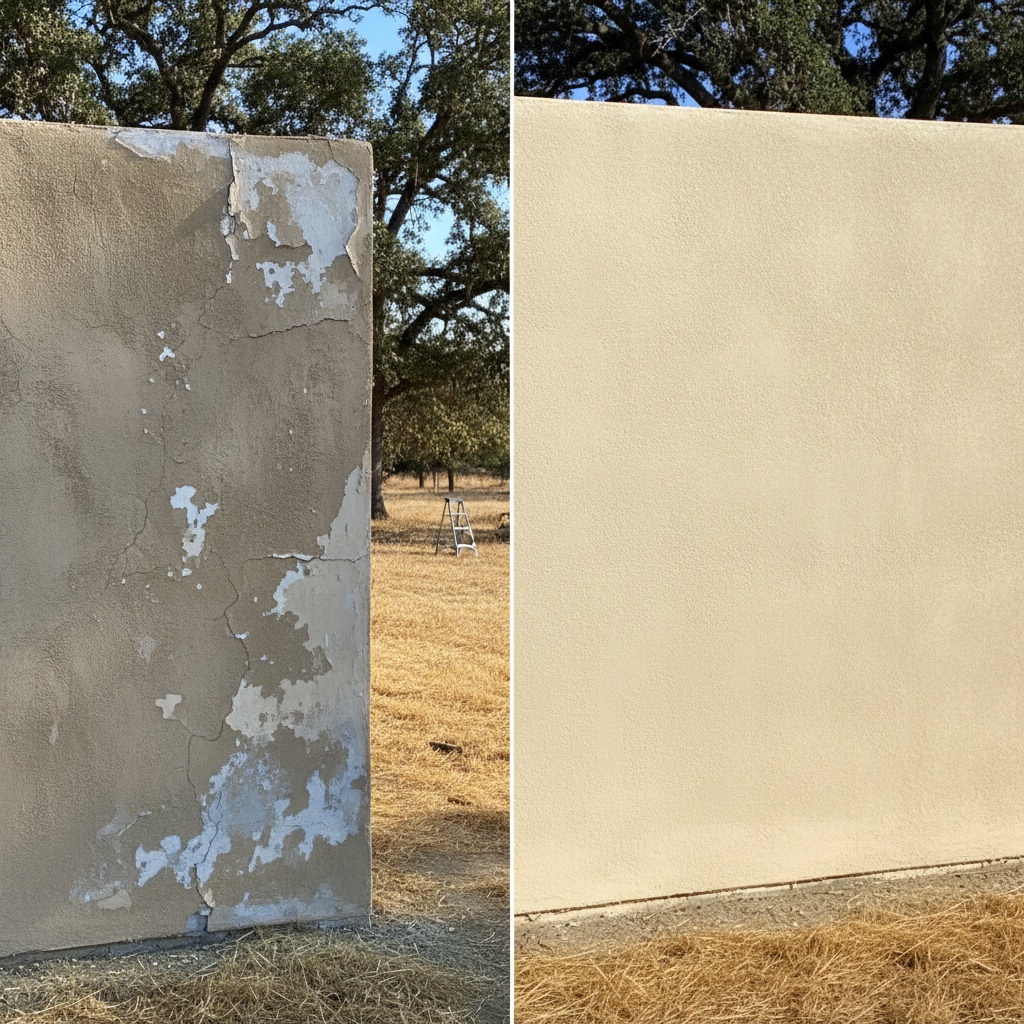
Alright, Lodi homeowners, let's talk stucco for a minute. Sooner or later, every stucco exterior hits that point where patching just doesn't cut it anymore. Maybe you're seeing cracks all over, some bubbling, or hey, it just looks totally out of date and needs a facelift. What's next then? Basically, you've got two main choices for replacing that stucco: either we strip everything off right down to the sheathing, or we put a new layer of stucco right over the old stuff.
Having worked with stucco around here for years, I've seen both methods done really well and, unfortunately, really badly. It's not a one-size-fits-all kind of decision, especially with our Lodi weather—those hot summers and sometimes wet winters can really put a home's exterior to the test, you know?
The Full Tear-Off: A Clean Slate
This is pretty much what it sounds like: we take everything off. The old stucco comes down, leaving the wall sheathing exposed. It's a bigger job, no doubt about it, but it gives us a completely fresh start.
Cost
Let's be honest, a full tear-off usually costs more upfront. You're paying for demolition, getting rid of all that debris, and then putting in a whole new stucco system from scratch. Prices can jump around a lot, but figure you'll pay more per square foot than for an overlay because of the extra labor and disposal.
Durability
This is where the tear-off really shines. When we go down to the sheathing, we get to look for and fix any hidden problems like water damage, mold, or rotting wood that might be hiding under your old stucco. This part is super important. Stucco itself isn't waterproof; it's the weather barrier behind it that truly protects your home. With a tear-off, we can put in a brand-new, modern weather-resistive barrier (WRB) and flashing. This makes sure your home stays dry and protected from moisture for decades. You're basically getting an entirely new exterior system built to last, often for 50 to 70 years.
Maintenance
Once you have a new, properly installed stucco system, keeping it up is pretty easy. You'll want to watch for cracks, especially around windows and doors, and deal with them quickly. But with a solid foundation, you're looking at routine upkeep, not constant worrying about hidden issues.
Appearance
With a full tear-off, you have total freedom. You can pick any color, texture, or finish you want, knowing it'll go onto a perfect base. This means your home gets a uniform, flawless look, exactly how you pictured it. No need to stress about matching old textures or colors, which can be tough with an overlay.
Stucco Overlay (Stucco Over Stucco): The Faster Option
This method means putting a new layer of stucco right over your existing one. It can seem attractive because it feels less invasive and quicker.
Cost
An overlay is usually cheaper than a full tear-off since it skips the demolition and disposal costs. But don't let that lower upfront price tag trick you into thinking it's always the better deal. If there are problems underneath, you're really just putting a band-aid on them.
Durability
Here's where things get tricky. An overlay's durability depends entirely on how good the existing stucco is. If the old stucco has widespread damage, is peeling, or, most crucially, has active moisture problems, putting new stucco over it is a huge mistake. You'll just trap that moisture, which speeds up rot and mold behind the walls, and the new layer won't stick right, leading to it failing way too soon. Now, if the existing stucco is structurally sound, unpainted, and well-bonded, an overlay can definitely add another layer of protection and make it more durable. But if your home has been painted, you'll need to sandblast the whole exterior to make sure the new stucco sticks properly, and that adds to the cost and complexity.
Maintenance
If the overlay is done right on a solid base, maintenance is similar to new stucco. However, if underlying issues weren't fixed, you might find yourself dealing with recurring problems, and the new layer could crack or peel faster than you'd expect.
Appearance
An overlay can certainly freshen up your home's look, giving you new colors and textures. But you're still working with the existing shape. If the old stucco had big imperfections or an uneven surface, those might still show through or need extra work to smooth out. Matching textures perfectly can also be a real challenge if you're only doing a partial overlay.
My Recommendation for Lodi Homeowners
So, here's the real talk: In Lodi, many of our older homes—especially in places like the Central Lodi neighborhood with its big trees and sometimes shifting ground—can have foundation movement and water getting in. I've seen way too many times where homeowners tried to save a few bucks with an overlay, only to discover years later they had serious rot and mold festering underneath. What a mess!
My honest recommendation, almost every single time, is to go with a full tear-off and replacement.
- It's the only way to truly guarantee we find and fix any hidden moisture damage, dry rot, or structural issues.
- You get a brand-new, correctly installed weather barrier system, which is absolutely vital for protecting your home from our local weather.
- You'll have peace of mind knowing your stucco is built to modern standards, offering much better durability and a longer life.
- The appearance will be perfect, and you won't be limited by how the old stucco looked or felt.
Yes, it costs more upfront. But think of it as investing in your home's long-term health and value. A cheap fix that just covers up bigger problems will almost always cost you more down the road. You really don't want to be patching over something that's going to lead to tens of thousands in repairs later on, do you?
If you're seeing signs of trouble with your stucco, don't just guess. Get a professional inspection. At Lodi Stucco Solutions, we'll give you a straightforward assessment of what's going on with your home and the best way to handle it, so you can make a smart decision that protects your investment.