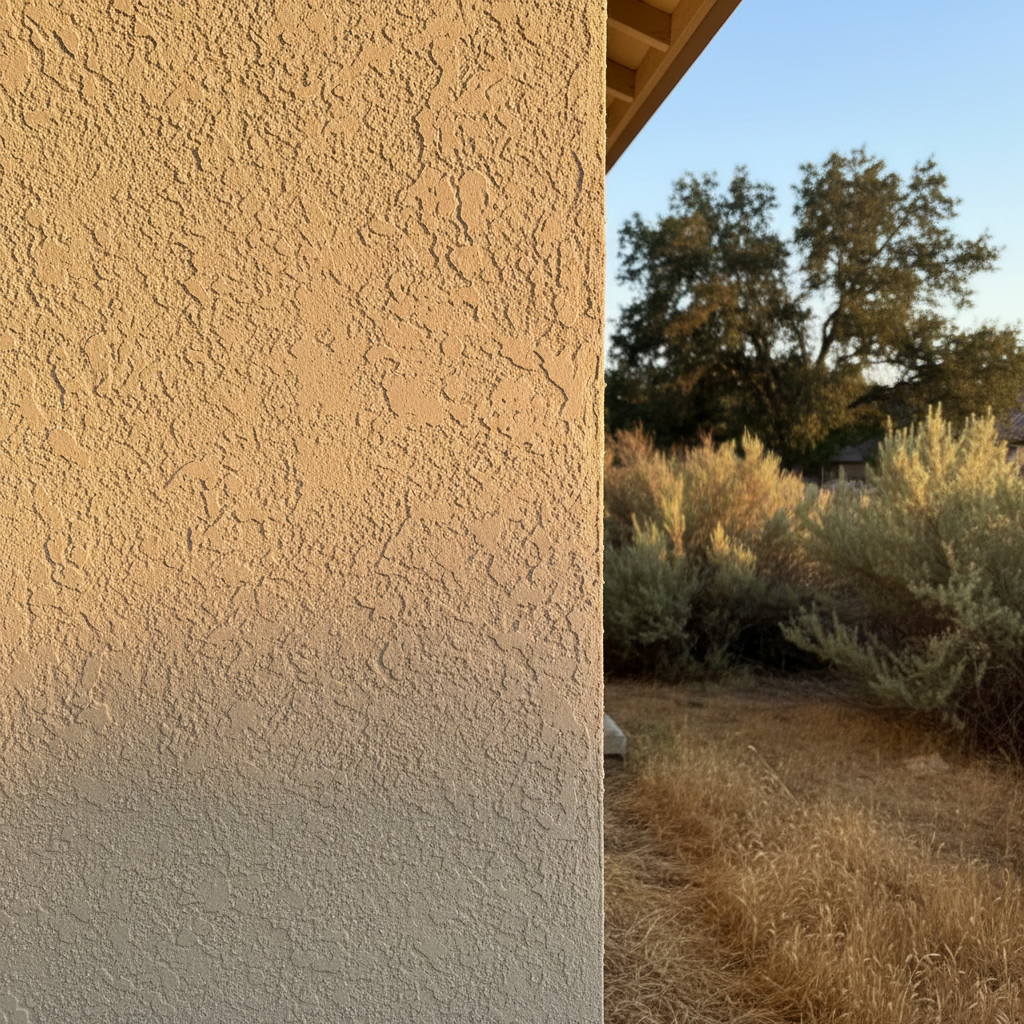
Thinking About Stucco Replacement? Here's the Deal.
So, you're staring at your stucco and figuring it's time for a full replacement, not just a little patch-up. Maybe it's just old, or it's got some serious water damage, or hey, maybe you just want a completely fresh look. Whatever your reason, replacing stucco is a big project. It's definitely not like painting a room. As a contractor who's been doing this in Lodi for years, I've watched homeowners try to take on too much, and I've also seen others make really smart choices. Let's talk about what you should know before, during, and after a stucco replacement.
Before You Even Think About Tearing Anything Off
First things first, you need to figure out why you're replacing it. Is it just about how it looks? Or is there a bigger problem lurking, like water getting in or structural damage? If it's the latter, you absolutely have to get to the bottom of that issue first. Replacing stucco over a wall that's still leaking is like slapping a band-aid on a broken leg; it won't fix a thing, and you'll be right back where you started before you know it. I've seen homes in spots like the Vineyard Estates where old stucco, especially on north-facing walls that don't get much sun, can hold moisture and lead to rot underneath if it wasn't maintained or installed right to begin with. You'll want to check for soft spots, mold, or those persistent cracking patterns that tell you something's moving around.
Next up, permits. Yeah, you'll probably need one. Swapping out stucco often means taking off the exterior siding and possibly messing with the building's outer shell. Give the City of Lodi's building department a call. They'll tell you exactly what's required. Don't skip this step; fines and having to redo work are way more expensive than any permit fee, believe me.
And finally, budget. This isn't a cheap project. Get a few estimates from good local contractors. That'll give you a real sense of the cost if you decide to go the professional route, and it'll help you understand the full scope of the work involved.
What You Can (Maybe) Do Yourself
Alright, let's talk DIY. Can you replace stucco yourself? Technically, sure, if you've got tons of time, a boatload of patience, and you're ready to learn a specialized trade. But I'll be honest, it's a massive job for the average homeowner. Here's what you might actually be able to handle:
- Demolition (Carefully): You can probably pull off the old stucco yourself. This means chisels, hammers, pry bars, and a whole lot of dust. Just be careful not to mess up the sheathing or framing underneath. You'll also need a plan for all that debris – a dumpster is usually a must.
- Surface Prep (Limited): You might be able to clean and get the underlying surface ready, assuming there's no major damage. That means making sure it's clean and smooth.
- Hauling: You can definitely haul away the old stucco yourself if you've got a truck and a way to get it to a dump.
And that's pretty much it for most folks. The actual application of new stucco? That's where things get tricky. It's a multi-layer system – scratch coat, brown coat, finish coat – and every single layer needs to go on correctly, at the right thickness, and cure properly. Getting a consistent, durable, and good-looking finish is an art form that takes years to master. You're working with materials that dry fast, and mistakes are tough to fix without basically starting over.
When to Call a Pro (Which is Most of the Time)
Look, I'm a contractor, so naturally I'm going to tell you to call a pro. But I say it because it's true. For stucco replacement, especially on an entire house, you really want someone who knows their stuff. Here's why:
- Proper Installation: We know the right ways to apply each layer, making sure it sticks well, is the right thickness, and cures correctly. This prevents future cracking, delamination, and water problems.
- Water Management: This is huge. A professional knows how to put in the right flashing, weep screeds, and building paper to ensure your wall system sheds water effectively. This is super important in Lodi, especially with our hot summers and those occasional heavy winter rains; you absolutely don't want water getting trapped behind your new stucco.
- Tools and Equipment: We've got the specialized tools for mixing, applying, and texturing stucco quickly and effectively.
- Experience with Substrate Issues: If we find rot, pest damage, or structural problems while we're tearing things out, we know how to fix them right or can tell you what to do next.
- Efficiency and Quality: We can get the job done much faster, and with a much better finish, than someone doing it themselves.
- Warranty: Good contractors, like us at Lodi Stucco Solutions, stand behind our work. If something goes wrong, you're covered.
If you're replacing more than just a small section – say, a few square feet – you're almost always better off hiring a professional. The cost of fixing DIY mistakes often ends up being more than any savings you thought you'd get.
During the Project: What to Expect
Whether you're tackling a tiny bit yourself or bringing in a crew, here's a quick rundown of the steps:
- Demolition: The old stucco comes off. Expect dust and noise, naturally.
- Inspection & Repairs: We'll check the wall underneath (the sheathing, framing). Any damage gets fixed.
- Weather Barrier: Building paper or a house wrap goes on to protect against moisture.
- Lath Installation: Metal lath (that's wire mesh) gets attached; this gives the stucco something to grab onto.
- Scratch Coat: The first layer of stucco is applied,