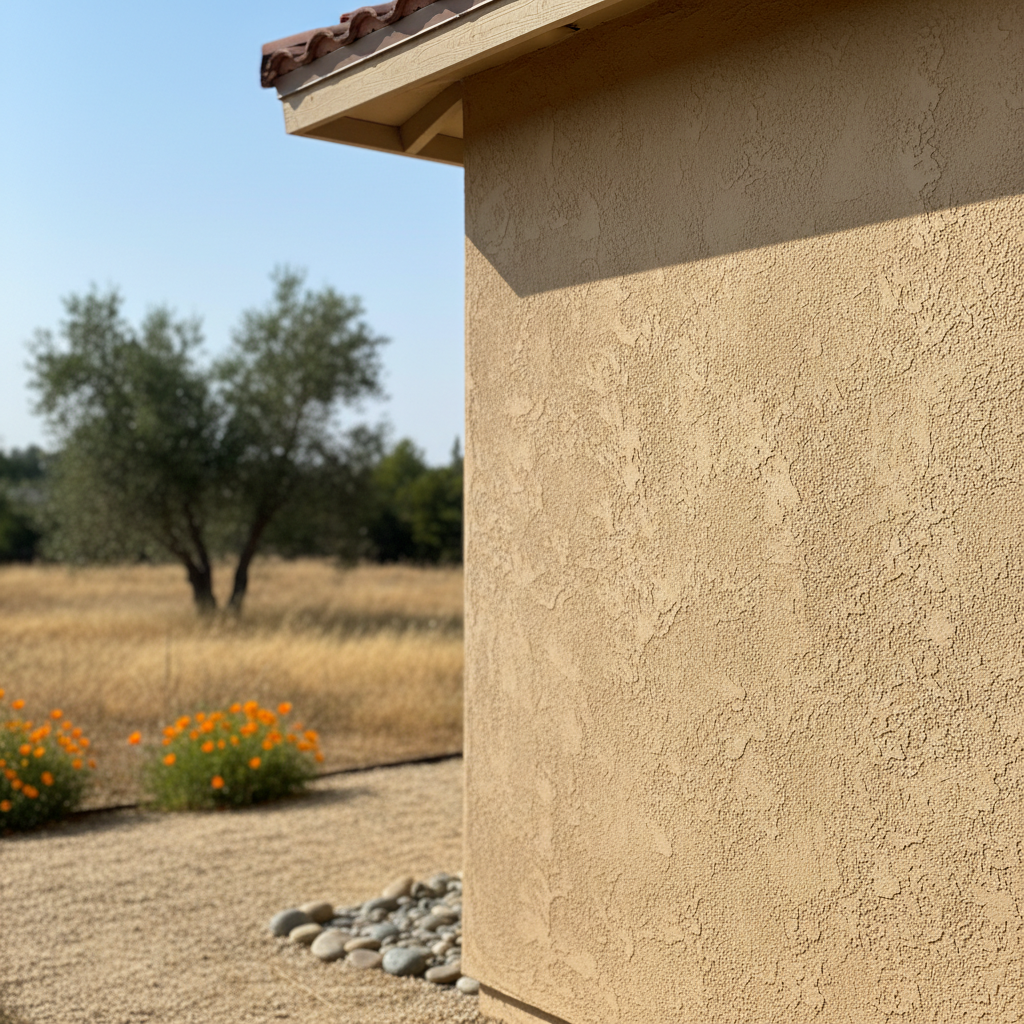
Alright, Lodi homeowners. You've got questions about stucco redashing, and I've got answers. Not some marketing spiel, but the real deal from someone who's been working on homes here in the Central Valley for years. Redashing can really freshen up your home's look and boost its protection, but you need to know what you're getting into. Let's tackle some of the most common things I hear folks ask.
So, what exactly *is* stucco redashing?
Simply put, stucco redashing means we put a fresh, thin layer of finish coat stucco right over your existing, solid stucco. Think of it like giving your house a brand-new skin without tearing off the old one. The main goal is to refresh the look, fix minor surface flaws, and add another layer of protection. We're not talking about a full tear-off and replacement here; it's a more affordable and less disruptive way to give your home's exterior a new lease on life.
How long does a redashed stucco finish actually last in Lodi's climate?
That's a fair question, especially with our Lodi weather – those scorching summers and sometimes damp winters can be tough on any exterior, right? A good stucco redash, applied correctly with quality materials, can easily last you 15 to 25 years. Some sources even say stucco can last 50 years or more if you take care of it. The longevity really depends on the materials we use, how skillfully it's applied, and how well you keep up with basic maintenance. Our intense summer sun, for example, can really fade colors over time, so a top-notch finish coat is crucial for lasting vibrancy.
Can you redash over stucco that's been painted?
This is a big one, and the answer isn't a simple yes or no. You generally can't just trowel new cement stucco directly over exterior paint. Why not? Because the new stucco will only stick to the paint film, and when that paint eventually peels (which it absolutely will), your new stucco will come right off with it in big chunks. If your home has been painted, the professional way to ensure a proper bond is to sandblast or hydro-blast the entire exterior. This strips away the paint and exposes the raw, porous cement underneath, giving the new stucco something solid to grip onto. It's a critical step, and skipping it is just asking for trouble down the road.
When should I choose redashing versus a full stucco replacement?
Redashing is a great option when your existing stucco is structurally sound but just looks tired. Think faded color, widespread hairline cracks from thermal cycling (which we see plenty of here in Lodi), or an uneven texture from old, patchy repairs. It's for cosmetic issues and adding a fresh protective layer. If you've got widespread cracking, significant water intrusion behind the stucco, large sections detaching from the wall, or extensive mold and rot on the underlying sheathing, then you're likely looking at a full stucco replacement. Redashing won't fix underlying structural problems or severe moisture damage. I always do a thorough inspection to figure out what's really going on before recommending a solution. Sometimes, the visible damage is just the tip of the iceberg, you know?
What's involved in the redashing process?
The process starts with a thorough inspection of your existing stucco to make sure it's a good candidate for redashing. We're checking for things like peeling, big cracks, or signs of water getting in. If the base is solid, we move to surface preparation. This means cleaning the surface really well, making sure it's dry, and addressing any minor cracks or loose bits. If your stucco is painted, we'd need to sandblast it first, as I mentioned. After prep, we apply a bonding agent if needed, and then our skilled crew applies the new finish coat. This is where you get to pick your new color and texture. Once it's on, it needs time to cure properly, and I'll give you instructions on how to care for it during that period. For Lodi Stucco Solutions, we make sure the work area is tidy and we do a final walkthrough with you.
Do I need a permit for stucco redashing in Lodi?
For most cosmetic stucco repairs, like sealing hairline cracks, patching small areas, or just refreshing the finish coat, you typically don't need a building permit in California. However, rules can vary by city and HOA, so it's always best to check. If the redashing involves structural substrate repair (like replacing lath, paper, or sheathing over a significant area), or any work that changes the exterior cladding system, then you usually will need a permit. The City of Lodi has an online permitting system, eTRAKiT, for certain residential permits. As your contractor, I'll know the local thresholds and handle pulling any necessary permits. It's important because unpermitted work can lead to stop-work orders, fines, and issues when you try to sell your home.
How does redashing protect my home from Lodi's specific weather?
Lodi's climate is unique. We get those hot, dry summers that cause materials to expand, and then cooler, wetter periods that cause contraction. These constant shifts stress exterior materials, leading to cracks and deterioration. A fresh redash adds a new protective layer that holds up better against UV radiation, which helps prevent fading and brittleness. It also adds a fresh layer of defense against those seasonal temperature swings, helping to prevent new cracks and keep your exterior looking good. Plus, the multi-layered application of stucco itself creates a dense thermal mass that helps insulate your home, keeping it cooler in the summer and warmer in the winter, which can save you on energy bills.