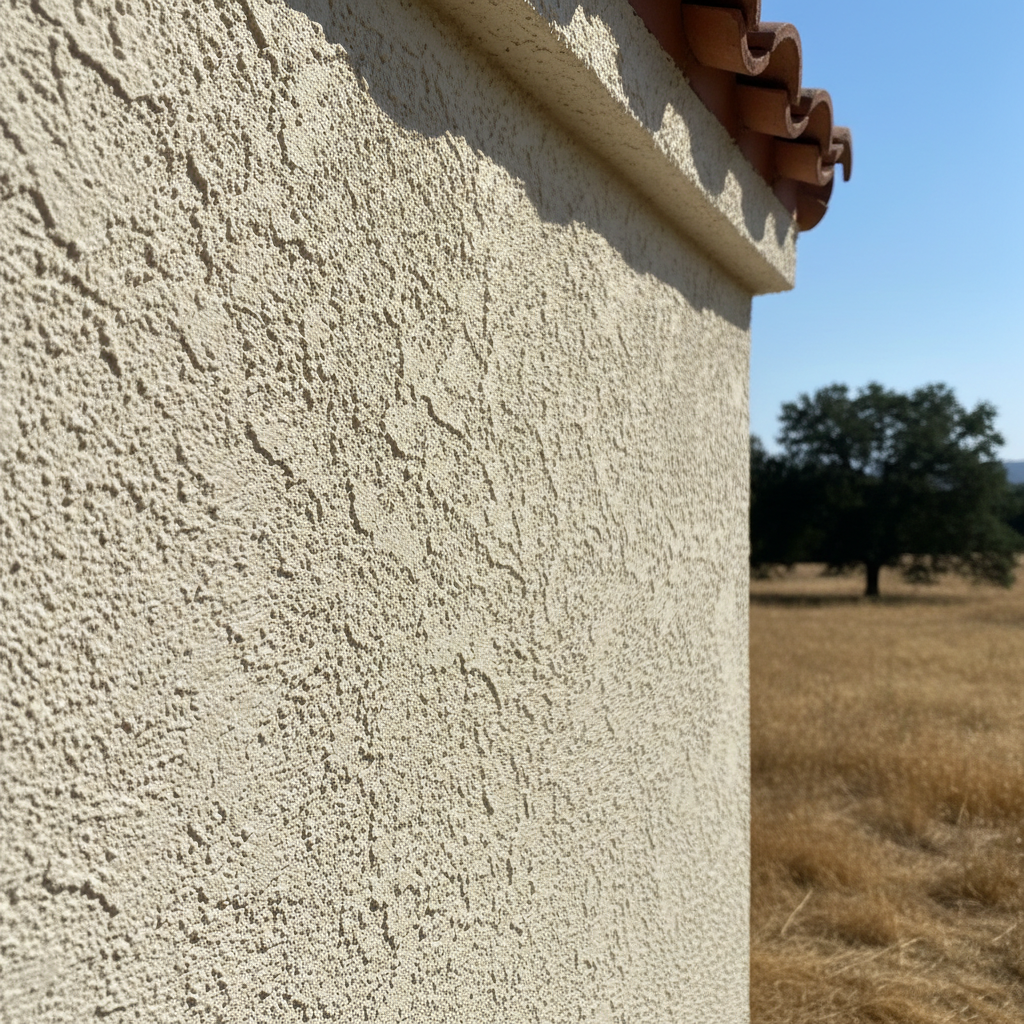
Thinking about new stucco for an addition, a new build, or maybe even a full re-stucco job? That’s a pretty big project. It’s totally normal to wonder, "Can I tackle some of this myself?" The quick answer is: some parts, sure. But honestly, a lot of it? You really shouldn't.
Before You Even Think About Mixing Mud
First things first, planning is absolutely key. You’ve got to figure out exactly what kind of stucco system you're putting in. Are we talking about the traditional three-coat stucco, or something like a one-coat system? Each one has its own specific needs. You’ll also need permits from the City of Lodi, and they’ll definitely want to see your plans. This isn't just a friendly suggestion, by the way; it's a legal requirement to make sure your home is safe and up to code. Trust me, trying to skip this step will only lead to massive headaches later on.
DIY Prep: You can definitely handle some of the initial demolition if you're replacing old siding. Things like pulling off old stucco, wood siding, or just clearing the area around your house. Just be careful, wear the right safety gear, and make absolutely sure you're not messing with any structural bits or electrical lines. You could also help out with material delivery – getting sand, cement, and lime where they need to be, or picking up lath and trim pieces. That saves a contractor time, which, in turn, can save you a little cash.
Call a Pro For: Design and engineering. If you’re building new or adding on, you’ll need an architect or engineer to draw up plans that meet Lodi’s specific building codes. And getting those permits approved? That’s usually a job for someone who really knows the process inside and out. Also, understanding the different stucco systems and what works best for our Lodi climate – especially with those hot, dry summers and occasionally wet winters – that’s where professional experience really shines.
During the Installation: Hands-On or Hands-Off?
This is where the line between DIY and calling in a pro gets super clear. Stucco isn’t just about slapping mud on a wall. It's a whole system, with layers, and each one serves a really important purpose.
DIY Prep: You can help with stuff like keeping the site clean, making sure tools are organized, or maybe even setting up scaffolding if you’re comfortable and it's a simple setup. You could also assist with basic protection, like covering plants or windows with plastic sheeting. Some homeowners are handy enough to install the building paper (that’s the weather-resistive barrier) and even the metal lath (you know, chicken wire or a similar mesh). This takes patience and precision, though. You need to make sure it’s tight, properly overlapped, and fastened correctly to prevent future cracking or water getting in. If you’re off by even a little bit, it can mess up the whole system, right?
Call a Pro For: The actual application of the stucco coats. This is where the real skill comes in. The scratch coat needs to go on at just the right thickness and be scored properly. The brown coat has to be leveled and floated perfectly smooth. And the finish coat? That's truly an art form. Getting the mix, consistency, and texture just right – whether you want a smooth Santa Barbara finish or a more textured dash – takes years of practice. You’ll see guys who’ve been doing this for decades, and they make it look easy. It’s not. If you get the mix wrong, or the application isn’t even, you’ll end up with cracks, inconsistent color, or a finish that just looks bad. Plus, managing the drying times between coats, especially when those Delta breezes pick up, is absolutely crucial. That’s why folks call Lodi Stucco Solutions; we’ve got the crew and the know-how to get it done right.
After the Stucco is On: What's Next?
Once the stucco is up, the job isn’t quite finished, but the heavy lifting is definitely over.
DIY Maintenance: You’ll want to keep an eye on your new stucco. Look for any hairline cracks that might pop up over time – these are often normal as the house settles, but larger ones need attention. Keep your stucco clean; a gentle wash with a hose and a soft brush can get rid of dirt and cobwebs. Make sure your sprinklers aren’t constantly hitting the stucco, especially near the foundation, because constant moisture can cause problems. If you're painting your stucco, that’s definitely something you can do yourself, just pick a breathable paint made for masonry.
Call a Pro For: Any significant repairs. If you see chunks missing, big cracks, or areas where water seems to be getting behind the stucco, don't try to patch it yourself with caulk. That’s a temporary fix at best, and it can actually trap moisture. A professional can properly figure out what’s wrong and make a seamless repair that matches your existing finish. Also, if you ever decide to change the color or texture significantly, a pro can advise on the best approach and do the work without damaging the layers underneath.
Ultimately, a stucco installation is a big investment in your home. You can save some money by doing the grunt work, but when it comes to the skilled labor that really impacts how long your home lasts and how it looks, bringing in the experts is almost always worth it. You want it to look good and last for decades, not just a few years, don't you?