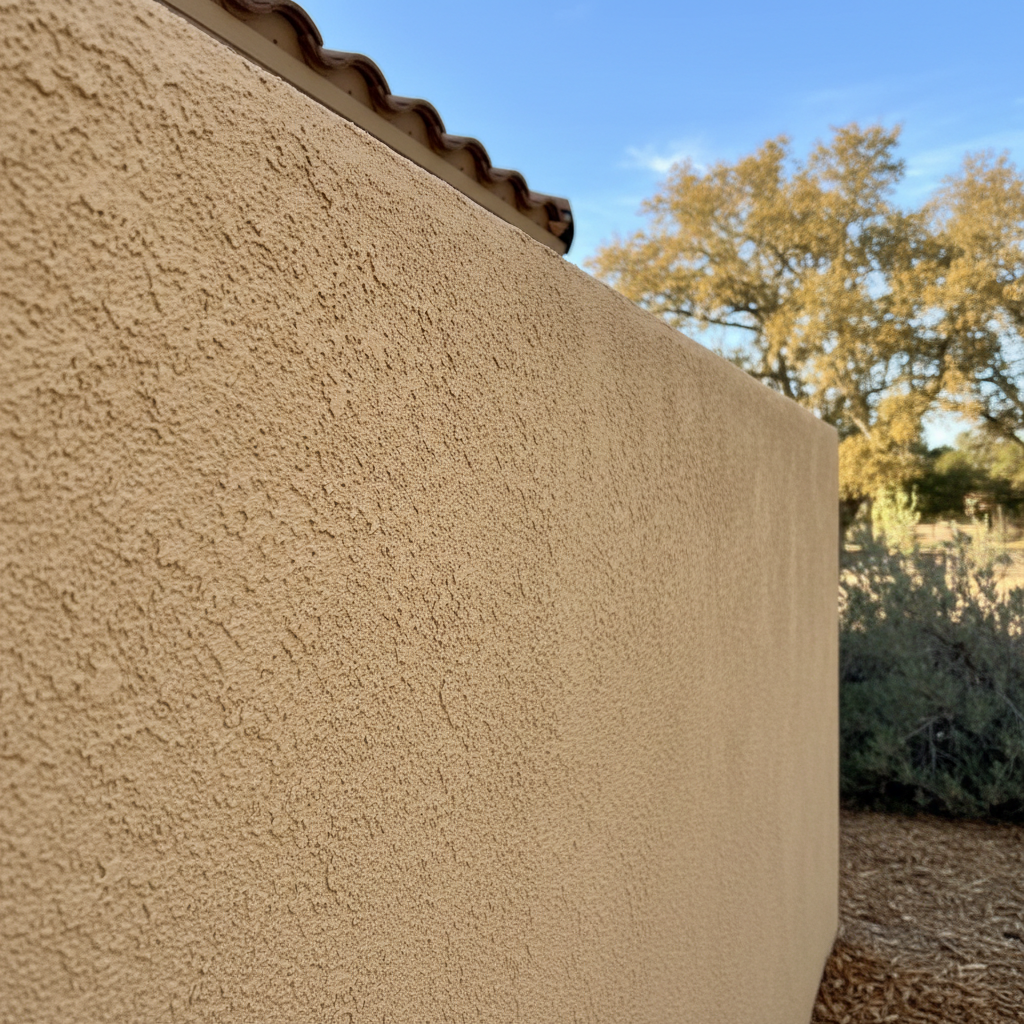
What's the real difference between traditional stucco and synthetic stucco (EIFS)?
Alright, let's clear this up right away because it's probably the most common question I get. When folks talk about 'traditional stucco,' they're usually referring to a cement-based product. It's a mix of Portland cement, sand, lime, and water. We apply it in multiple layers over a lath (usually metal mesh), and it cures into a hard, durable, breathable shell. This stuff has been around for centuries, and for good reason. It's tough, fire-resistant, and handles our Lodi weather pretty well once it's properly installed and cured.
Synthetic stucco, or EIFS (Exterior Insulation and Finish Systems), is a whole different animal. It's made up of several layers too, but they're not the same. You've got an insulation board (usually foam) attached to your wall, then a base coat with a reinforcing mesh embedded in it, and finally, a finish coat. That finish coat is acrylic-based, which gives it a lot of flexibility and color options. The big difference? EIFS is an insulating system. It's designed to keep heat in or out, which can be great for energy efficiency. But because it's less breathable than traditional stucco, proper installation with a good drainage system is absolutely critical to prevent moisture problems. If water gets behind EIFS and can't get out, you're looking at potential rot and mold issues down the line. Believe me, I've seen it happen when corners are cut.
How long does a typical stucco installation take for a house?
That's a tough one to give a single answer for because it really depends on the size of your house, the complexity of the architectural details, and the weather. But generally speaking, for an average-sized single-family home here in Lodi – say, 1,800 to 2,500 square feet – you're probably looking at anywhere from two to four weeks from start to finish. That includes prep work, lath installation, multiple coats of stucco (each needing time to cure), and then the finish coat. We can't rush the curing process; that's just asking for trouble with cracking or adhesion issues later on. If it's a really big custom home with lots of intricate trim or arches, it could take longer. And if we hit a rainy spell, especially in the winter months, that can definitely extend the timeline because stucco needs dry conditions to cure properly.
What kind of maintenance does new stucco require?
One of the best things about stucco is that it's pretty low maintenance, especially compared to some other siding materials. For new stucco, the main thing you'll need to do is keep it clean. Dust, dirt, and sometimes even mildew can accumulate, particularly on north-facing walls that don't get as much sun. A gentle washing with a garden hose and a soft brush, maybe some mild detergent for tougher spots, usually does the trick. Don't use a high-pressure washer too close to the surface, especially on EIFS, because you can damage the finish. You'll also want to keep an eye out for any cracks. Small hairline cracks are pretty normal with traditional stucco as the house settles and expands/contracts with temperature changes. But if you see larger cracks, or cracks that are growing, that's something to address. Also, make sure your gutters are clear and directing water away from the walls. Ponding water against the foundation or constant drips can cause issues over time.
Can I change the color of my stucco later without redoing everything?
Absolutely, you can. If you decide you don't love the color down the road, or if you just want a fresh look, you can definitely paint stucco. You'll want to use a high-quality, breathable elastomeric paint specifically designed for masonry or stucco. This type of paint can bridge hairline cracks and allows the stucco to breathe, which is important for moisture management. Don't just slap on any old house paint; it can trap moisture and cause problems. Before painting, make sure the stucco is clean, dry, and any larger cracks are repaired. A good paint job can really extend the life of your stucco and give your home a whole new curb appeal. It's a lot less involved and less expensive than tearing it all off and re-stuccoing.
How does Lodi's climate affect stucco installation and its longevity?
Lodi's climate is pretty good for stucco, honestly. We get those hot, dry summers, which are ideal for stucco to cure properly without too much humidity. The dry air helps the moisture evaporate steadily, leading to a strong, durable finish. However, those hot summers also mean a lot of thermal expansion and contraction, so proper lath installation and control joints are crucial to minimize cracking. We also get some pretty significant temperature swings between day and night, especially in spring and fall. Our clay soil, which is common around areas like the Woodbridge neighborhood, can also shift a bit, so a good foundation and proper stucco application techniques that account for minor movement are key to long-term performance. In winter, when we get our rains, we just need to be careful with scheduling to avoid applying stucco during wet periods. Stucco needs to be protected from freezing temperatures and heavy rain during its initial curing phase. Overall, with proper installation by someone who knows what they're doing, stucco holds up really well here.
What's the typical lifespan of a new stucco system?
When it's installed right, a traditional stucco system can last a very, very long time. I'm talking 50 to 100 years, easily. I've worked on homes in Lodi that are 70, 80 years old with their original stucco still looking good, just needing a bit of repair here and there. The key is that 'installed right' part. Good materials, proper layering, correct curing, and a solid foundation underneath it all. EIFS systems, because they're a bit newer and have different components, typically have a slightly shorter lifespan, maybe 30 to 50 years, but again, that depends heavily on the quality of installation and ongoing maintenance. Any system, traditional or synthetic, that isn't installed correctly or is neglected will fail much faster. That's why choosing an experienced contractor like Lodi Stucco Solutions matters. We're not just slapping it on; we're building a durable exterior for your home.
What should I look for in a stucco contractor for my Lodi home?
This is probably the most important question you can ask. First, make sure they're licensed and insured. Don't even consider someone who isn't. Ask for proof, and check their license number with the CSLB. Second, experience with stucco specifically. Not just general construction, but actual stucco work. Ask how long they've been doing it and if they specialize in residential stucco. Third, ask for references from past clients, and actually call them. See if you can drive by some of their completed projects in Lodi. I always encourage people to look at our work. Fourth, get a detailed written estimate. It should break down the materials, labor, and scope of work. Be wary of really low bids; they often mean corners are being cut somewhere. Finally, trust your gut. You're letting these people work on your home. You want someone who communicates well, answers your questions honestly, and seems genuinely committed to doing a quality job. We take pride in our work here at Lodi Stucco Solutions, and you should expect nothing less.