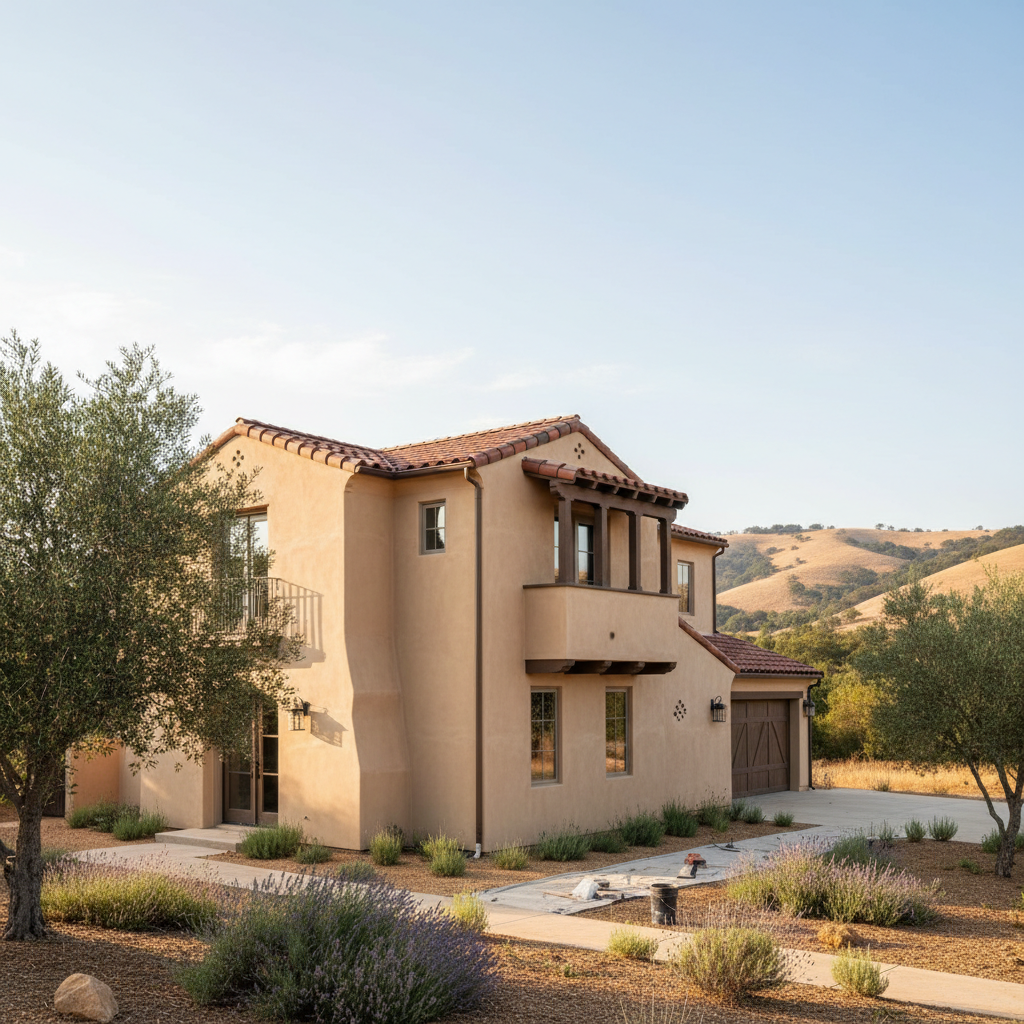
Got a home in Lodi? Then you know our weather isn't exactly like everywhere else. Those scorching summers and damp, foggy winters really put your home's exterior through its paces. When it comes to stucco, understanding our local climate isn't just helpful; it's absolutely critical for getting a job that lasts. I've seen firsthand what happens when folks try to rush a stucco project against Mother Nature, and it's rarely pretty. So, let's talk about timing your stucco work right here in Lodi.
When's the Best Time for Stucco Work in Lodi?
For stucco installation or major repairs, you're looking for that sweet spot: moderate temperatures and no rain in the forecast. In Lodi, that usually means late spring and early fall.
- Late Spring (April to early June): This is often ideal. Our daytime temperatures are generally comfortable, usually between 50°F and 85°F, and we typically haven't hit the real heat yet. The ground has dried out from winter rains, and the air isn't overly humid. All this helps the stucco cure evenly without drying too fast or too slow.
- Early Fall (September to October): Another great window. The intense summer heat starts to back off, and while we might get some cooler nights, the days are usually pleasant. You'll want to keep an eye on the forecast for early rains, but often this period offers stable conditions for good curing.
Why do we aim for these times? Stucco is a cement-based material, and it needs specific conditions to cure properly and achieve its full strength. Think of it like baking a cake — you can't just throw it in any oven at any temperature and expect it to turn out perfectly, can you?
Weather Conditions That Make or Break Stucco
Our Lodi climate has some specific challenges for stucco. Here's what we're always watching:
- Temperature: The ideal range for applying stucco is generally between 50°F and 90°F.
- Too Hot: Lodi summers can easily hit 90°F or even over 100°F in July and August. When it's too hot, stucco can dry out too quickly, which can lead to cracking and a weaker finish. If we have to work in hotter conditions, we take extra steps like shading the walls and misting the stucco to slow down the drying process.
- Too Cold: While our winters aren't extreme, Lodi does see average lows around 40°F in December and January. Stucco shouldn't be applied when temperatures are below 40°F, especially if it's going to freeze. Cold temperatures slow down the curing process, and if the water in the stucco freezes, it can cause severe damage, like flaking or softening.
- Rain and Moisture: We get most of our rain between November and April, with February often being the wettest month. You absolutely can't apply stucco in the rain. It washes away the material and prevents proper bonding and curing. Even after application, fresh stucco needs protection from heavy rain for at least 48 hours.
- Wind: Our Delta breezes are a Lodi staple, but strong winds can also cause stucco to dry too fast, similar to high heat. We account for this by sometimes using tarps or other barriers to protect fresh applications.
Protecting Your Stucco Investment Year-Round
Once your stucco is properly installed and cured, keeping it in good shape in Lodi means a little year-round attention.
- Summer Heat Protection: Our long, hot summers can be tough. Keep an eye out for hairline cracks that might appear due to thermal expansion. If you have any landscaping near your stucco, make sure your irrigation isn't constantly spraying the walls. Consistent moisture can lead to issues over time.
- Fall Prep: Before the rains hit, do a quick inspection. Look for any new cracks or areas where the stucco might be pulling away. Sealing these small issues before the wet season is key to preventing water intrusion. This is especially important for homes near the Mokelumne River, where ground moisture can be a factor.
- Winter Watch: During our wetter, cooler months, pay attention to any dark streaks or discoloration, which could indicate moisture problems. While stucco is designed to be water-resistant, prolonged exposure to moisture in compromised areas can lead to bigger headaches.
- Spring Cleaning & Inspection: After the rainy season, give your stucco a good look. Clean off any dirt or mildew that might have accumulated with a soft brush and mild detergent. This is also a great time to do your annual inspection for cracks or damage. Catching small issues early is the best way to extend the life of your stucco.
Stucco is a fantastic, durable exterior for Lodi homes when it's done right and cared for properly. It's built to handle our climate, but it needs a little help from you and a knowledgeable contractor who understands the local conditions. At Lodi Stucco Solutions, we pride ourselves on doing the job with our climate in mind, ensuring your home looks great and stays protected for years to come.