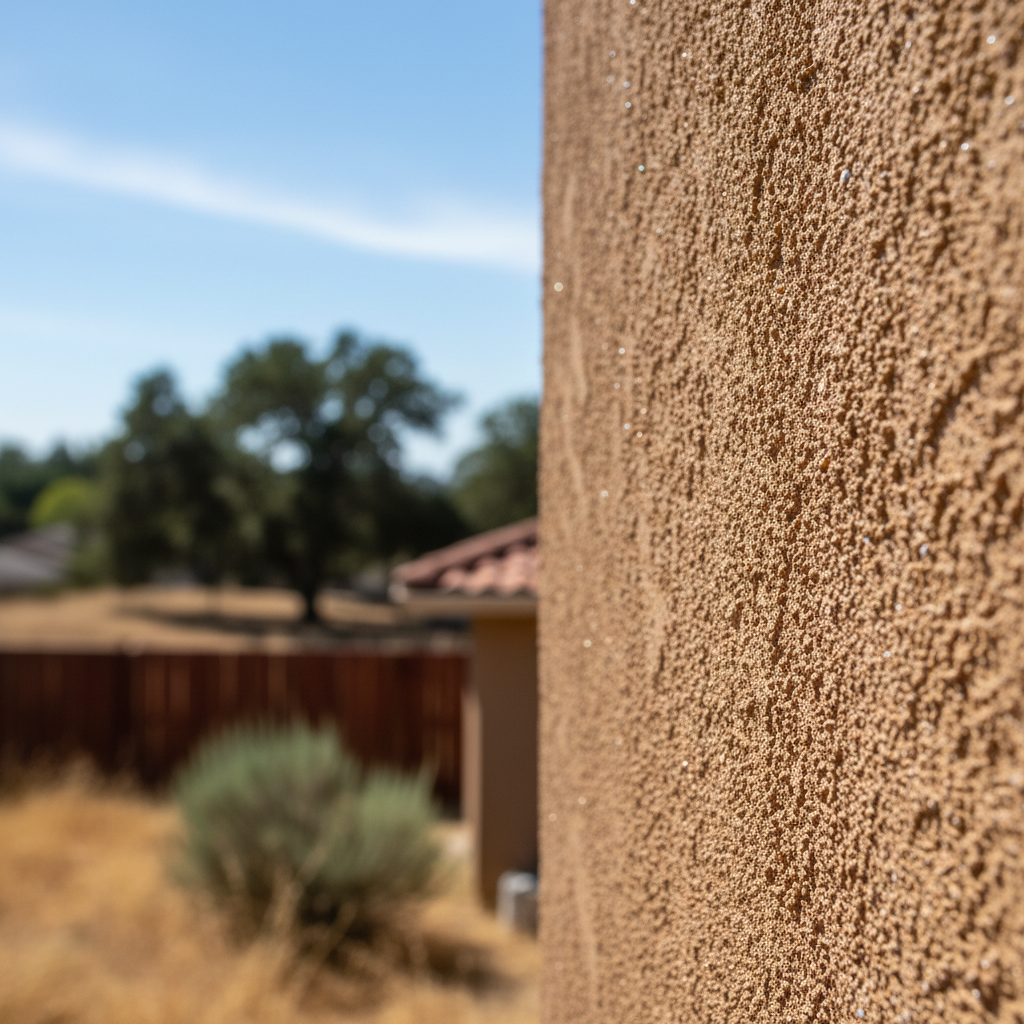
When you walk around your house and look at the walls, you might notice damage that needs attention. Many homeowners do not look closely until a chunk falls off or water stains show up inside. If you live in Lodi, California, the Central Valley summers bake everything to a crisp, and the wet winter fog hangs around longer than it should. That temperature swing takes a real toll on exterior walls. Lodi Stucco Solutions spends a lot of time fixing issues that started as tiny hairline cracks nobody paid attention to.
Before You Start Looking
You do not need a truck full of fancy contractor gear to do a basic walk-around of your place. Grab a notepad, a flashlight, and maybe a dull butter knife or a coin. Pick a sunny morning when the light hits the side of your house at an angle. That shadow play helps you spot surface irregularities. Take a quick stroll around the whole perimeter and clear away any bushes or stacked firewood blocking your view of the lower walls. Stucco needs to breathe, especially near the soil line where local clay and silt retain moisture after a rain.
What You Can Check Yourself
Start at the roofline and work your way down. Look for hairline cracks. Every house gets them because stucco shrinks a bit as it cures and buildings settle. If a crack is thinner than a credit card, you can usually keep an eye on it or patch it yourself with a bit of elastomeric caulk. Tap gently on the wall with your knuckles or the plastic handle of a screwdriver. A solid wall sounds dull and tight. If it sounds hollow or papery, the stucco has delaminated from the lath behind it. That means the bond failed, and a patch kit from the hardware store will not cut it. Check around your window frames and door headers too. Those corners take heavy stress and are prime spots for water intrusion. If you see yellowish-brown staining running down from a window sill, water is getting behind the surface.
When to Call a Professional
There is a hard line between DIY maintenance and structural trouble. If you spot bulging areas, sagging sections, or white powdery stuff called efflorescence blooming across a large patch, stop poking at it. That white powder means moisture is constantly migrating through the wall and pushing salts out to the surface. Lodi Stucco Solutions brings out moisture meters and thermal imaging when homeowners call for a proper assessment. If water has been sitting behind your exterior finish for months, the wood framing or wire lath underneath might be rusting out. Painting over it or slapping more cement on top just traps the rot inside.
After the Inspection
Once you finish your walk-around, look at your notes. If you only found a couple of minor shrinkage cracks away from moisture sources, clean them out and seal them up on a dry afternoon. If you found hollow spots, crumbling corners, or widespread staining, write down where they are and take clear photos. Keep those notes handy so you can track whether those cracks are widening over the next few months. Catching problems early keeps your repair bills manageable and protects your home from the inside out.