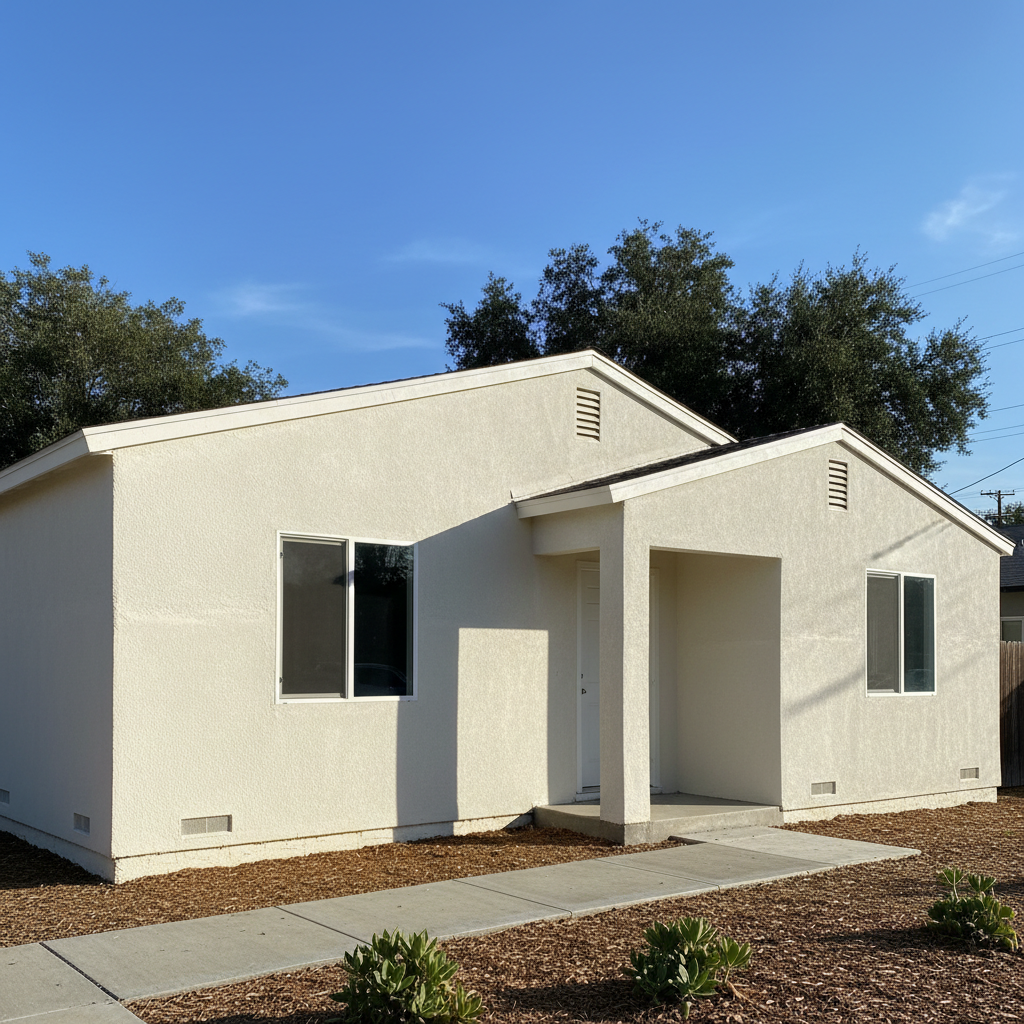
EIFS, or Exterior Insulation and Finish Systems, is a pretty popular choice for lots of folks right here in Lodi. It's not quite the same as traditional stucco, and because of that, the pricing and what goes into a quote can look a little different. I get a ton of questions about EIFS costs, so let's break down what you can probably expect to pay.
What Makes EIFS Cost What It Does?
You're wondering about the bottom line, right? Well, there's no single price tag that fits everyone, but I can definitely tell you which things really push the numbers up or down:
- Total Square Footage: This is the big one. More wall space means we need more materials and, naturally, more labor. Pretty straightforward.
- System Type: Not all EIFS is created equal. Barrier EIFS usually costs less than Drainage EIFS, which includes a special layer to handle moisture. For most homes in Lodi, especially with our occasional heavy rains and how some older places in spots like the Lake Lodi neighborhood can settle, a drainage system is usually the smarter pick. It's a bit pricier, sure, but often worth it.
- Insulation Thickness: Remember, EIFS is an insulation system. Thicker insulation (think 2-inch versus 1-inch) will cost more for the materials. But, hey, it can really chop down your energy bills later on.
- Architectural Details: Got a lot of corners, arches, bands, cornices, or other fancy bits? Those take more time and skill to put in, which adds to the labor cost. A flat, boxy house? Always cheaper than one with all sorts of bump-outs and angles.
- Existing Substrate Condition: Are we putting this over old siding, block, or brand-new sheathing? If we have to do a bunch of prep work — like fixing damaged sheathing or making sure the surface is perfectly flat — that's an extra charge.
- Accessibility: If we need a lot of scaffolding because of how tall the building is or if it's tough to get to (maybe a tight lot where we can't easily set up equipment), that'll definitely bump up the price.
- Color and Finish: This isn't usually a huge cost factor, but some special finishes or really dark colors can sometimes come with a small upcharge.
Typical Cost Ranges in Lodi
Okay, let's talk real numbers. For a standard EIFS installation on a house here in Lodi, you're generally looking at somewhere between $10 to $18 per square foot. That price covers both materials and labor for a complete system, from the insulation board all the way to the final coat.
For a pretty typical 1,500 to 2,000 square foot single-story home with average complexity, you might see a total project cost landing between $15,000 and $36,000. Now, that's a pretty wide range, isn't it? A small, simple addition could be on the lower end, while a big, multi-story home with lots of architectural flair and a drainage system could easily hit the higher end, or even go beyond it. Commercial projects or super complex residential jobs? That's usually a whole different ballgame.
What Should Your EIFS Quote Include?
When you get a quote from Lodi Stucco Solutions, or any other good contractor for that matter, make sure it's super detailed. You really don't want any surprises down the road. Here's what I always make sure to include:
- Detailed Scope of Work: Exactly which areas are getting covered, what kind of EIFS system (barrier or drainage), and how thick the insulation will be.
- Material Breakdown: This means the insulation board, base coat, mesh, primer, and the finish coat. Sometimes I'll even name the brand.
- Labor Costs: This covers my crew's time for getting ready, doing the installation, and cleaning up.
- Scaffolding/Equipment Rental: If we need it, this cost should be listed separately.
- Flashing and Sealants: These are absolutely critical for a watertight system, especially around windows, doors, and any other openings. Don't let anyone cut corners here.
- Surface Preparation: Any cleaning, repairs to the existing surface, or leveling that needs doing.
- Waste Removal: Who's going to haul away the old materials and all the construction debris? Make sure that's clear.
- Permits: Here in Lodi, you'll need a permit for EIFS work. Your contractor should handle this, and the cost should either be included or clearly stated as something the homeowner is responsible for.
- Warranty Information: What's covered, and for how long?
How to Keep From Overpaying
Nobody wants to get ripped off, right? Here's my best advice:
- Get Multiple Quotes: Three is usually a good number. It helps you compare not just the price, but also how detailed their proposals are and how well they communicate.
- Compare Apples to Apples: Make sure every quote is for the exact same type of EIFS system, the same insulation thickness, and includes all the same stuff. If one quote is way lower, you need to find out why. They might be cutting corners.
- Ask About Experience: EIFS isn't traditional stucco. It needs special training and experience. Ask for references and take a look at their past EIFS projects.
- Don't Just Pick the Cheapest Bid: The lowest price often means the cheapest materials or folks who don't know what they're doing. This is your home's exterior, after all; you really don't want problems later.
- Understand the Warranty: A good EIFS system should come with a solid warranty for both the materials and the labor.
- Check Licenses and Insurance: Always, always double-check that your contractor is licensed and insured. It protects you if anything goes wrong.
Doing your homework on EIFS costs upfront will save you a ton of headaches and money in the long run. If you've got more questions, just ask.