EIFS for Your Lodi Home: What You Need to Know
So, you're looking into EIFS for your place here in Lodi. Maybe you've spotted it on some of the newer houses, or you're thinking about an upgrade that offers better insulation than regular stucco. It's a solid choice, no doubt. But like anything else, there's a right way to do it and, well, a whole lot of ways to mess it up. I've been in this business a long time, seen plenty of projects, and I can tell you what's what.
EIFS, which stands for Exterior Insulation and Finish Systems, isn't just some fancy type of stucco. It's actually a multi-layered system designed to insulate your home and give it a tough, good-looking finish. Think of it like a really effective jacket for your house. It has a few more parts than your standard stucco, meaning the installation process involves some extra steps and crucial details.
Before You Even Think About Installation
First things first, let's talk about what you need to grasp before you even pick up a tool. EIFS isn't a weekend DIY project for most homeowners, especially not the full installation. This isn't like painting a room, or even patching a small crack in your drywall. Installing EIFS correctly demands specialized knowledge, specific tools, and a real understanding of how buildings work.
- Research the System: There are different kinds of EIFS out there. Barrier EIFS relies on the outer layer to keep water out. Drainage EIFS, which is what I recommend for our climate here in Lodi — with our hot summers and those occasional heavy winter rains — includes a drainage plane behind the insulation board. This helps manage any water that might get past the finish coat. You definitely want that drainage.
- Understand Your Home's Structure: Is your home wood-framed? Or masonry? The surface underneath really matters. EIFS needs a solid, clean, and dry surface to stick to. Any existing problems like rot, water damage, or structural issues need to be fixed first. You can't just cover up problems with EIFS and expect them to vanish. They'll only get worse, believe me.
- Local Building Codes: This is huge. Lodi building codes, like most places, have specific rules for exterior cladding, especially when it comes to insulation and water management. A professional will know these inside and out. If you're doing it yourself, you'd better be ready to spend some serious time with the city's planning department.
- Permits: Yes, you'll almost certainly need a permit for a full EIFS installation. Don't skip this step. It's there to protect you and make sure the work gets done safely and correctly.
What can you do yourself at this stage? Research, absolutely. Get educated. Clean up the existing exterior, remove old fixtures, trim bushes away from the house. But when it comes to the actual system design and making sure it meets code, that's where a pro comes in.
During the EIFS Installation
This is where the rubber meets the road, and honestly, this is where most homeowners should step back and let the experts handle it. Here's a simplified breakdown of the steps, so you understand why:
- Substrate Preparation: The surface has to be clean, dry, and structurally sound. Any gaps in the sheathing need to be covered, and we often apply a weather-resistive barrier (WRB).
- Adhesive and Insulation Board: We stick the insulation boards (usually EPS foam) to the surface with a special adhesive. This isn't just slapping glue on; it's about making sure it's properly covered and lined up to create a continuous thermal envelope.
- Base Coat with Reinforcing Mesh: We apply a base coat over the insulation, then embed a fiberglass mesh into it. This mesh is crucial for impact resistance and stopping cracks. Getting this smooth and consistent takes real skill.
- Primer (Optional but Recommended): A primer helps the finish coat stick well and can help keep the color consistent.
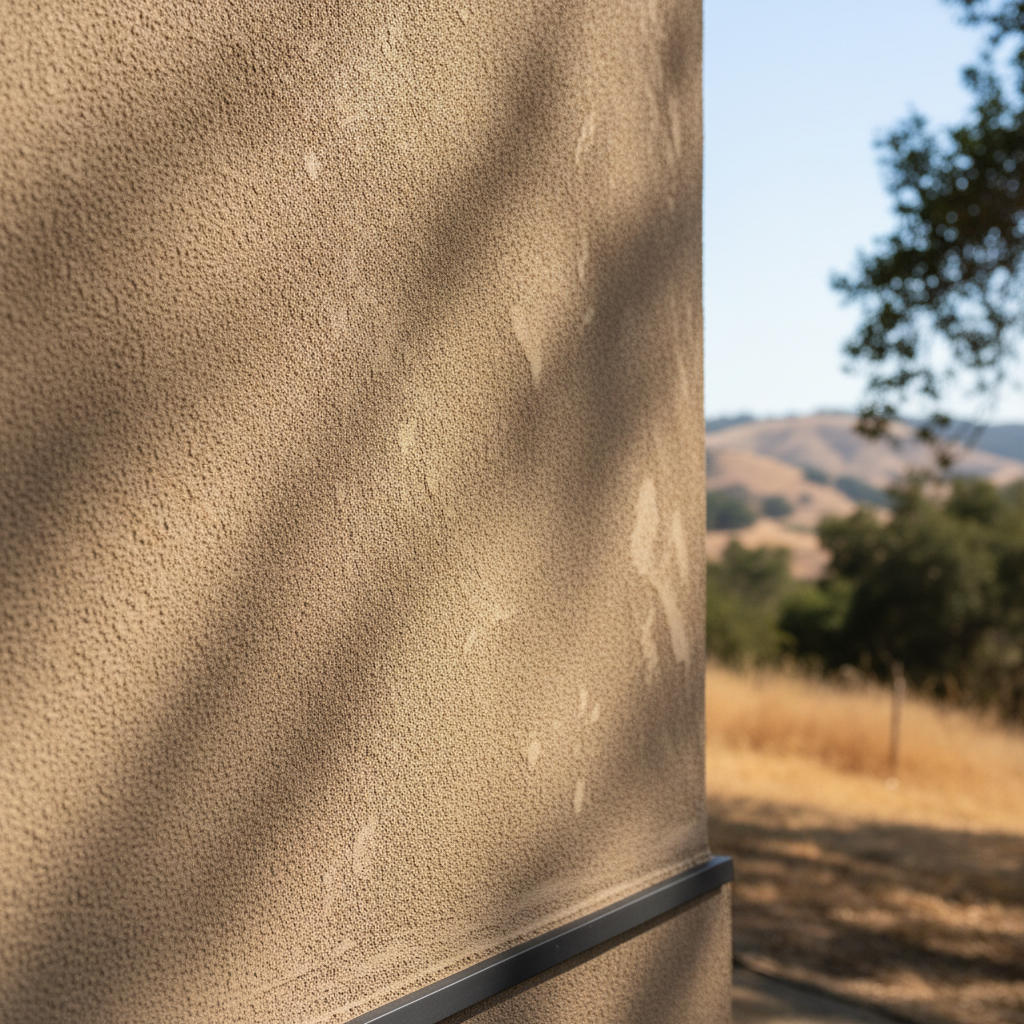
- Finish Coat: This is the part you see, available in various textures and colors. It's an acrylic-based finish that's tough and weather-resistant. Applying this evenly and consistently, especially on a big surface, is truly an art form.
What can you realistically do here? Maybe help with site prep – moving furniture, covering plants, making sure the work area is clear. But the actual application of the EIFS layers? That's specialized work. I've seen homeowners try to save a buck by doing it themselves, and it often ends up costing them more in repairs later on. Improperly installed EIFS can lead to water getting in, mold, and serious structural damage. It's just not worth the risk, is it?
Especially around windows, doors, and other openings, the flashing and sealing have to be perfect. This is where water often finds its way in if the job isn't done right. Our homes in the Vineyard Estates or Sunwest neighborhoods, with their varied architectural styles, all need precise attention to these details.
After the EIFS is Installed
Okay, the EIFS is on, and it looks fantastic. Now what? Maintenance is key to making sure your investment lasts.
- Regular Cleaning: EIFS is pretty low maintenance, but it's not *no* maintenance. You'll want to clean it periodically to get rid of dirt, dust, and any mildew that might pop up. A soft brush and a mild detergent solution are usually all you need. Just avoid high-pressure washers, as they can damage the finish.
- Inspect for Damage: Walk around your house a couple of times a year. Look for any cracks, impact damage, or spots where the finish might be peeling. Small issues can often be repaired easily if you catch them early.
- Check Sealants: Pay attention to the sealants around windows, doors, and other openings. These are your first line of defense against water. If you see any cracking or deterioration, get them re-sealed. This is something a handy homeowner can often do themselves, but if you're unsure, call a pro.
- Keep Landscaping Clear: Make sure bushes and trees aren't constantly rubbing against the EIFS, as this can cause abrasion and damage over time.
For any significant repairs, like a big crack or impact damage, you're going to want to call in someone who really knows EIFS. Patching it with the wrong materials or technique can mess up the whole system. That's where a company like Lodi Stucco Solutions comes in. We know EIFS, and we know how to keep it looking good and performing its best for years to come.
So, while you can handle some of the prep and the ongoing maintenance, the core EIFS installation is a job for the pros. It's an investment in your home's energy efficiency and curb appeal, and you want it done right the first time.